
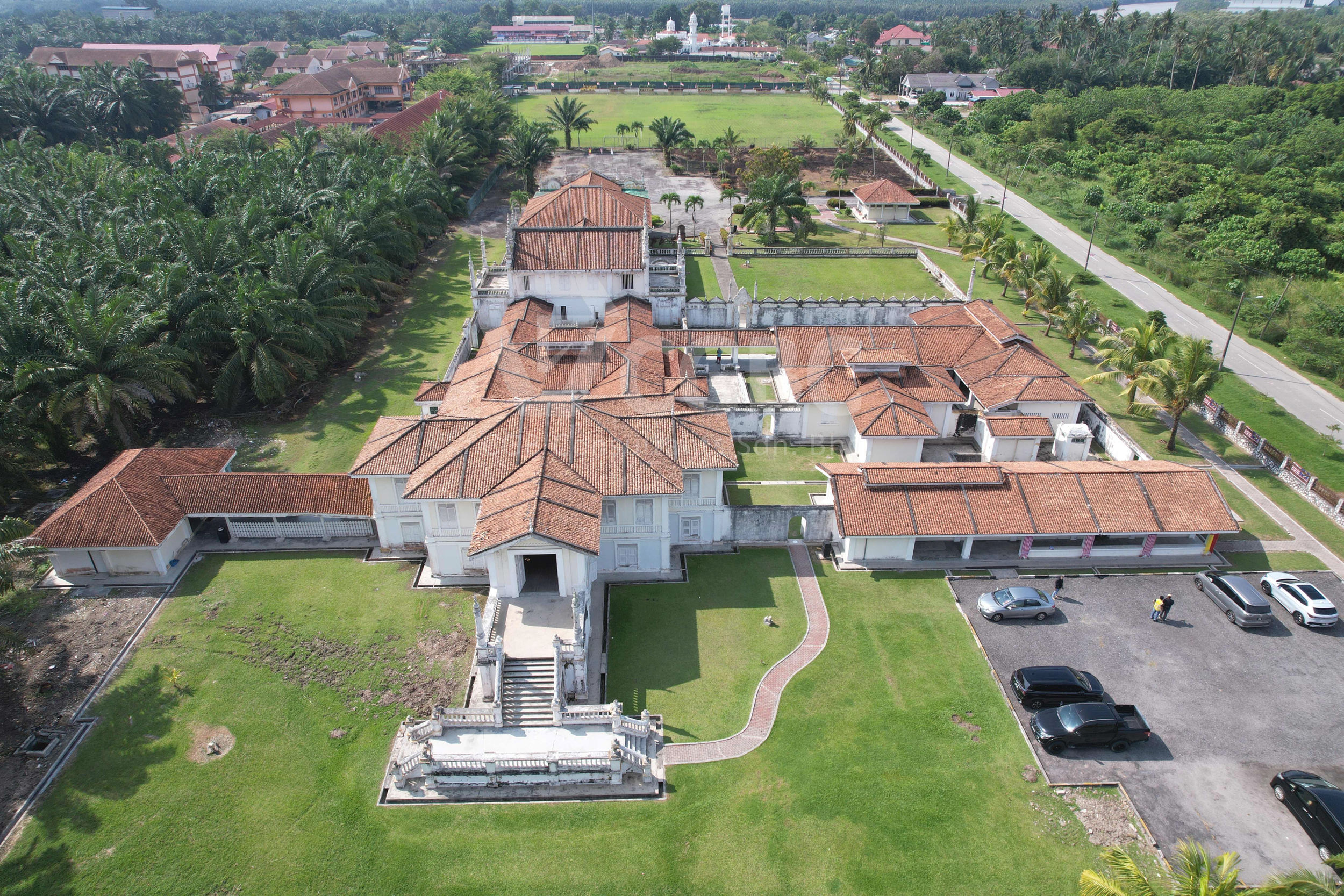
What We Do
Architectural Conservation
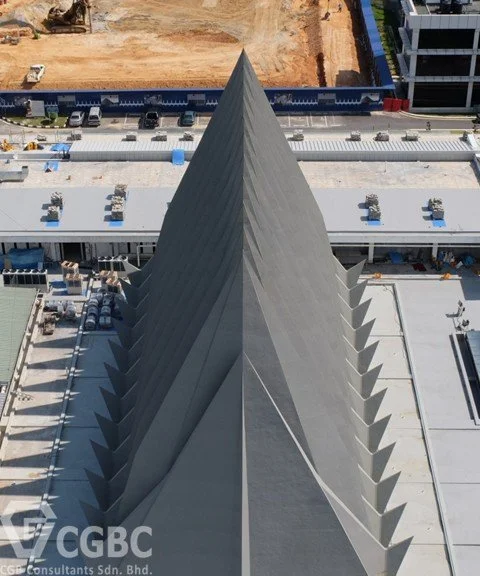
Architectural conservation focuses on maintaining the authenticity and integrity of historical sites. We assess a building’s condition and apply appropriate treatments such as preventive maintenance or rehabilitation, while adapting it for reuse where possible. We respect original materials and research historical practices, adopting a range of conservation principles to preserve the heritage values of our project sites. Simultaneously, we also provide architectural design services for contemporary adaptive reuse, or for reinstating buildings to their original historical fabric.
Structural Conservation
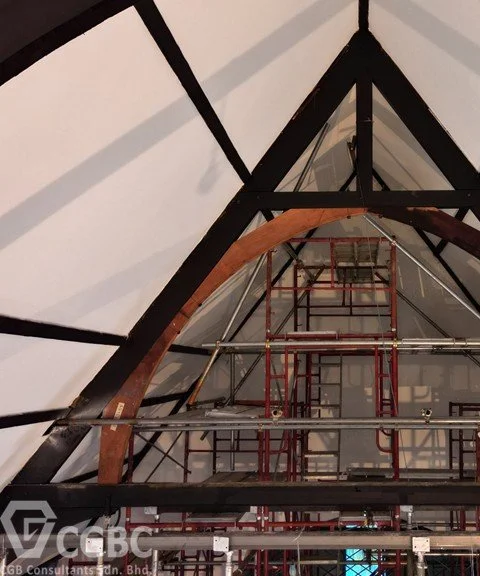
Structural conservation for heritage buildings is very important to ensure structural stability and long-term safety. While prioritizing the preservation of heritage significance, we carry out thorough research and assessment to understand the building's original construction, design and materials are to be carried out, followed by the integration of new structural design, especially in the case of adaptive reuse, which requires higher loading and stress. We have restored many old heritage structures built from timber, masonry, and steel, including some built as early as 1887.
Documenting Heritage
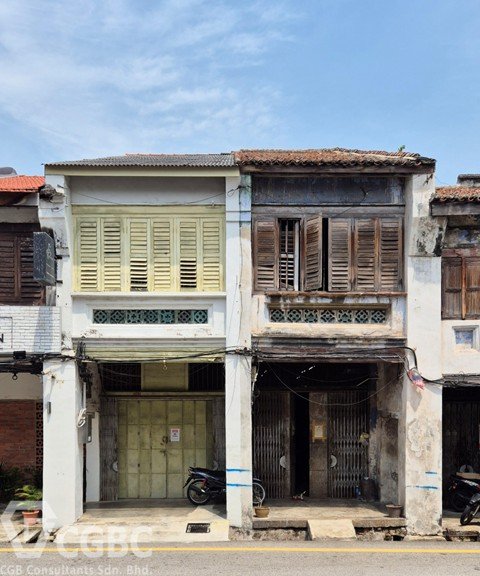
Documentation is crucial in understanding a building's history, significance and physical condition. We record decision making and planning, including conservation works, in order to create a log of interventions for future reference. Our team undertakes comprehensive research of historic and cultural sites, including the preparation of measured drawings, archival historical information, historic technical data, and photographic documentation for all heritage projects.
Managing Changes in Heritage
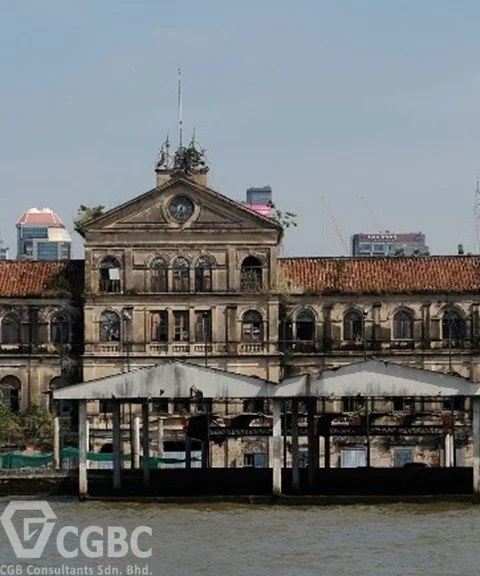
Preparation for change is one of the most important tools in safeguarding the cultural significance of any heritage site, with the ultimate goal of protecting both tangible and intangible heritage, while allowing for adaptation and sustainable development. To managing change in a heritage site, we balance preservation with newer development needs by taking on a holistic approach. We carry out impact assessments, conservation management plans, and collaborative planning with stakeholder engagement, in order to establish an appropriate plan of action. To date, we have undertaken more than 1,000 kilometers of linear heritage impact assessment studies for major infrastructure projects, listed national heritage sites, and UNSECO World Heritage Sites.